

What is Fibershed?
SUSTAINABILITY IS STRONGER WHEN SHARED
New York Fibershed is a regional affiliate of Fibershed, a nonprofit organization based in Northern California. Together with other affiliates, we support the development of regional textile systems that strengthen ecological health and community resilience. This includes expanding opportunities for climate-beneficial agriculture, rebuilding regional textile infrastructure, and connecting end users to the origins of their fiber through education and engagement.
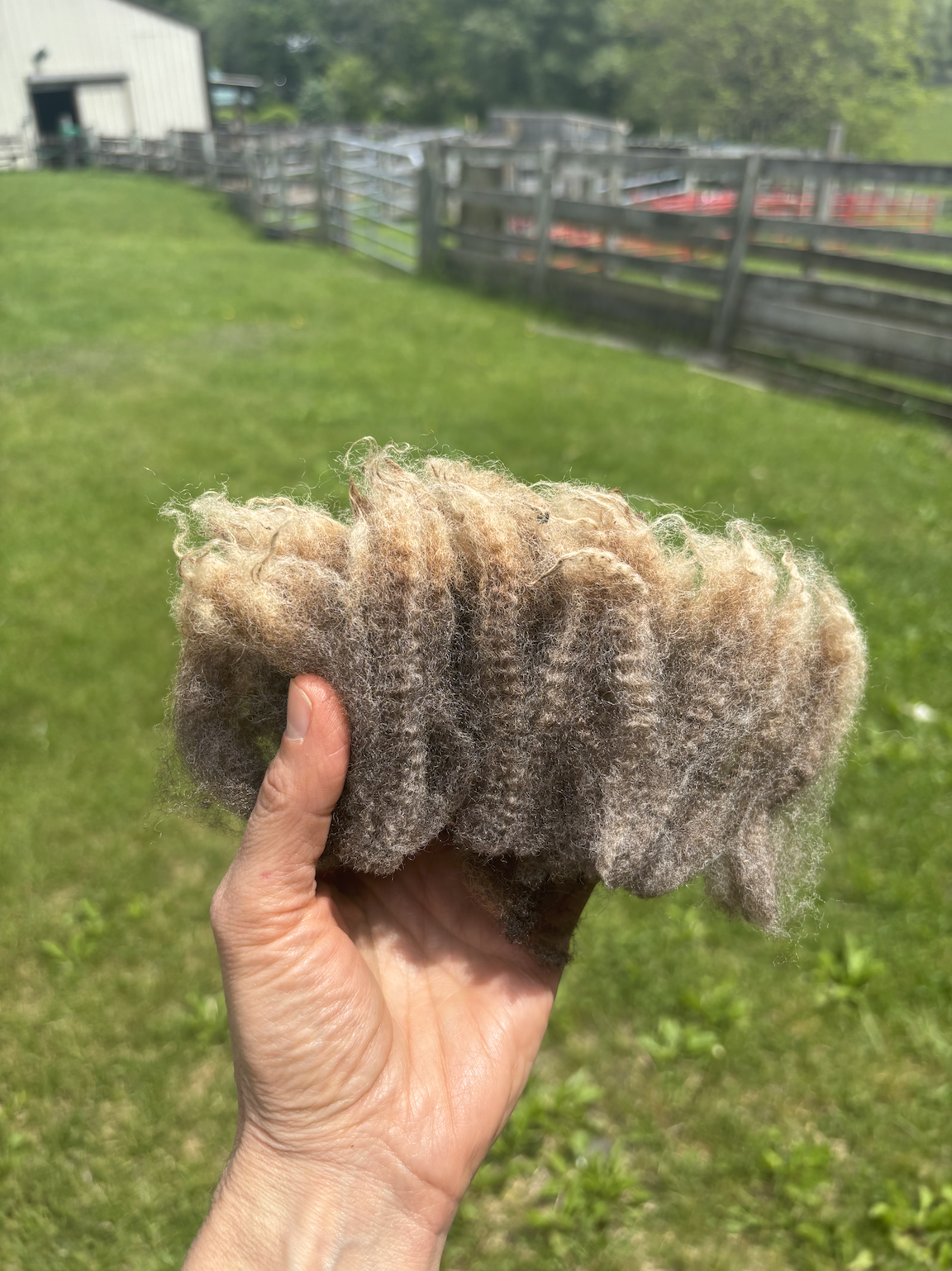
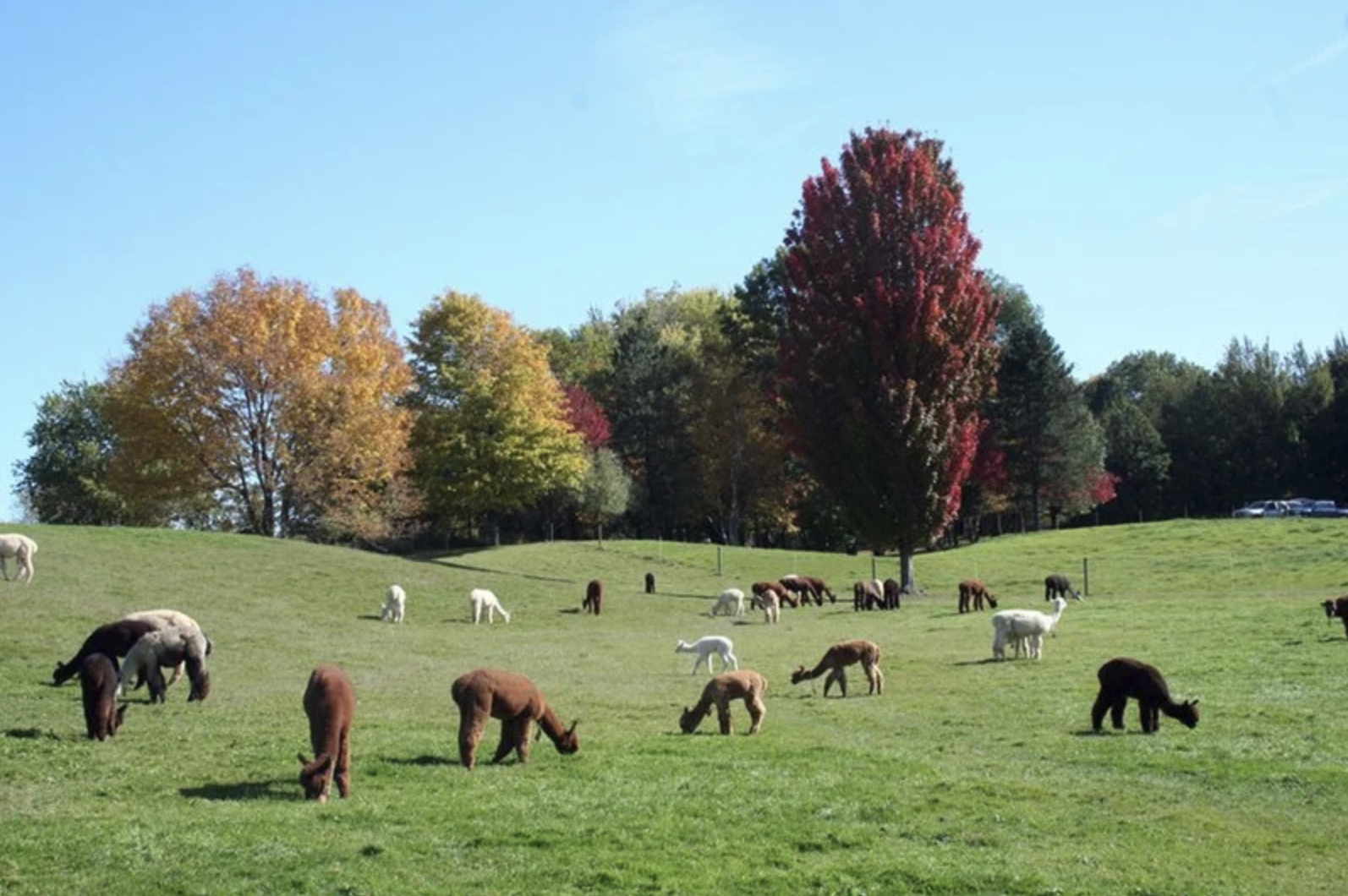
A Fibershed is a regional textile system that uses geography as a framework for sourcing and producing fiber, textiles, and dyes. Just as local food systems reconnect us to where our food comes from, Fibershed ask us to consider the origins of our clothing and materials.
Ecological Balance
We understand fiber as part of an interconnected ecological system rather than a standalone product. By supporting land stewardship practices that rebuild soil health and support biodiversity, we work toward a fiber system that operates in relationship with natural cycles.
From rotational grazing that supports healthy pastures to plant-based dyes that interact with local ecosystems, we prioritize materials and methods that reflect the interdependence of land, people, plants, and animals.
Community Engagement
A resilient Fibershed is built through collaboration. We connect farmers, designers, artisans, makers, educators, and consumers to strengthen relationships across the regional fiber system. This shared network helps ensure that the work of building a sustainable textile future is collective, accessible, and grounded in community.
Economic Development
Choosing bioregional textile systems helps keep value circulating within local economies. It supports skilled labor, strengthens small-scale production, and contributes to the development of more resilient and diversified textile livelihoods.
Cultural Continuity
From handwoven textiles to traditional and heirloom dye practices, we support the continuation and renewal of textile knowledge rooted in place, including the farming and stewardship practices that make these systems possible.
These practices carry cultural memory and skill, and we work to ensure they remain active and evolving for future generations.