Carbon Farm Tour
Join us for an immersive educational event exploring regenerative agriculture and how material sourcing can create positive impacts for climate and regional economies.
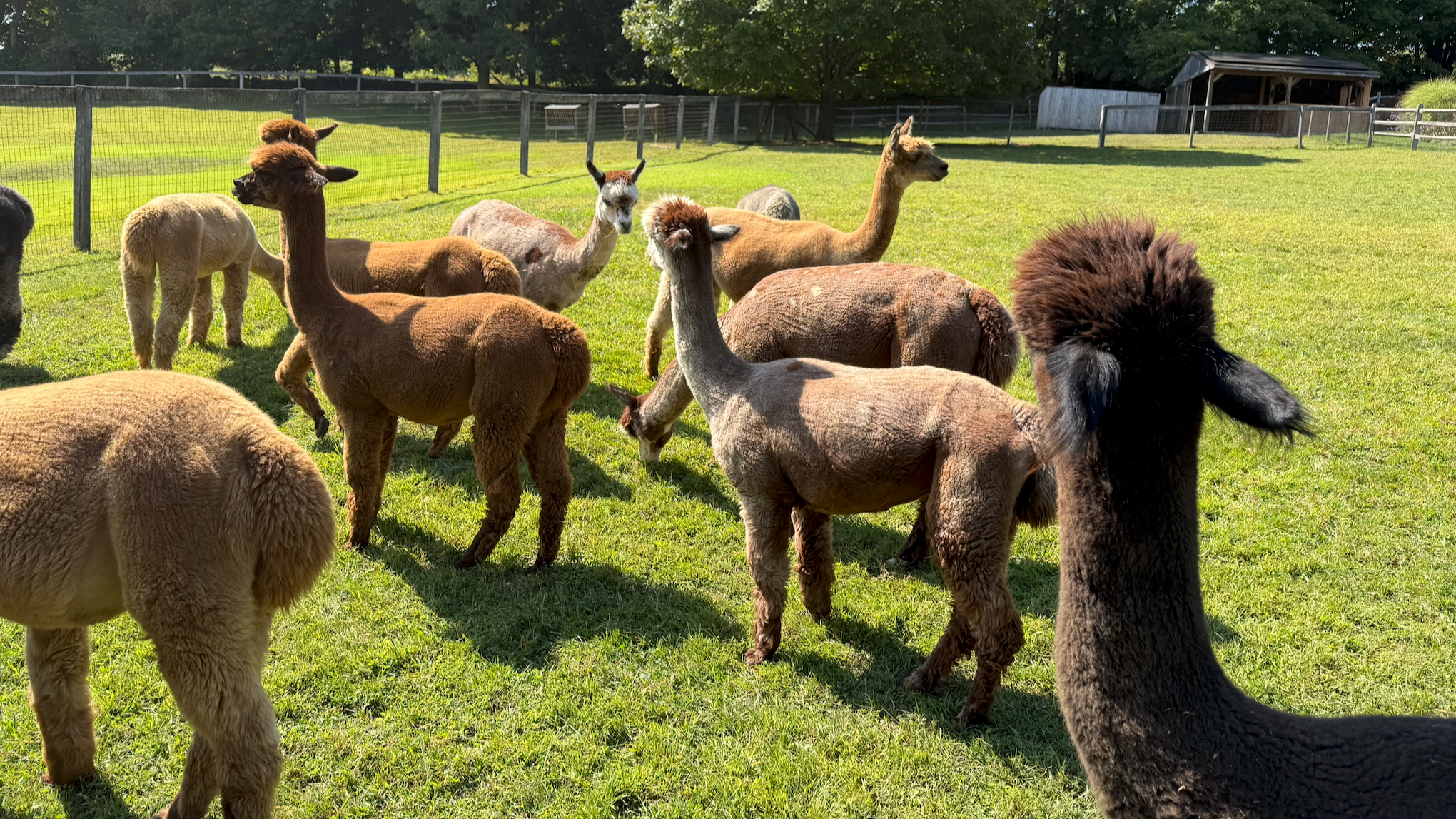
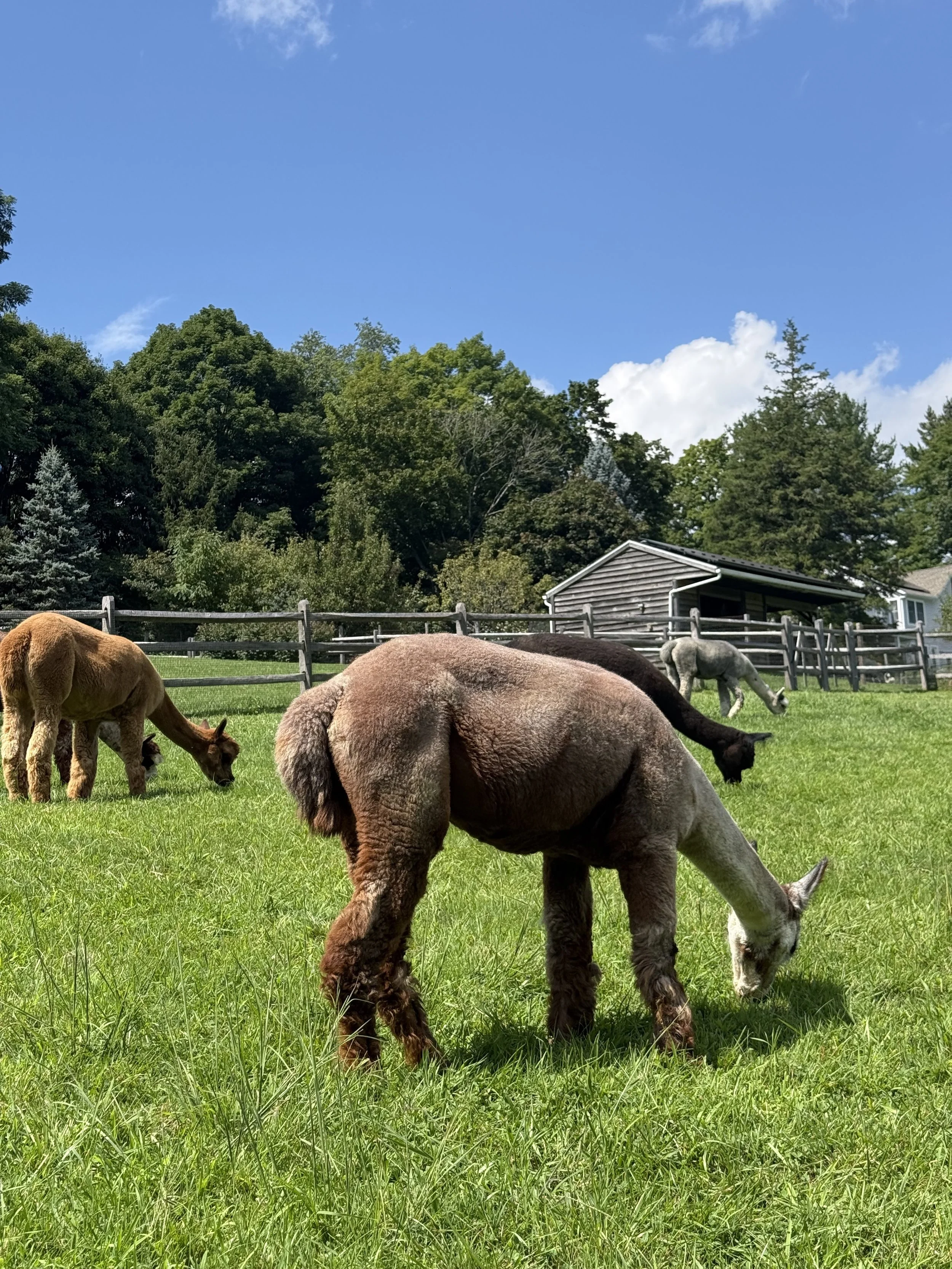
Spend the afternoon touring the farm, learning about carbon farming and Climate Beneficial™ fiber, meeting the alpacas, and connecting with others who are helping build a more regenerative regional textile system.
Whether you’re a farmer, designer, maker, fiber enthusiast, or want to learn more and connect with your local fiber movement, we’d love to have you join us!
Saturday, September 19 • 1 - 5 pm
at Faraway Farm Alpacas
in Yorktown Heights, NY
What to expect throughout the afternoon
-
Take a guided tour of Faraway Farm Alpacas and see sustainable farming practices in action!
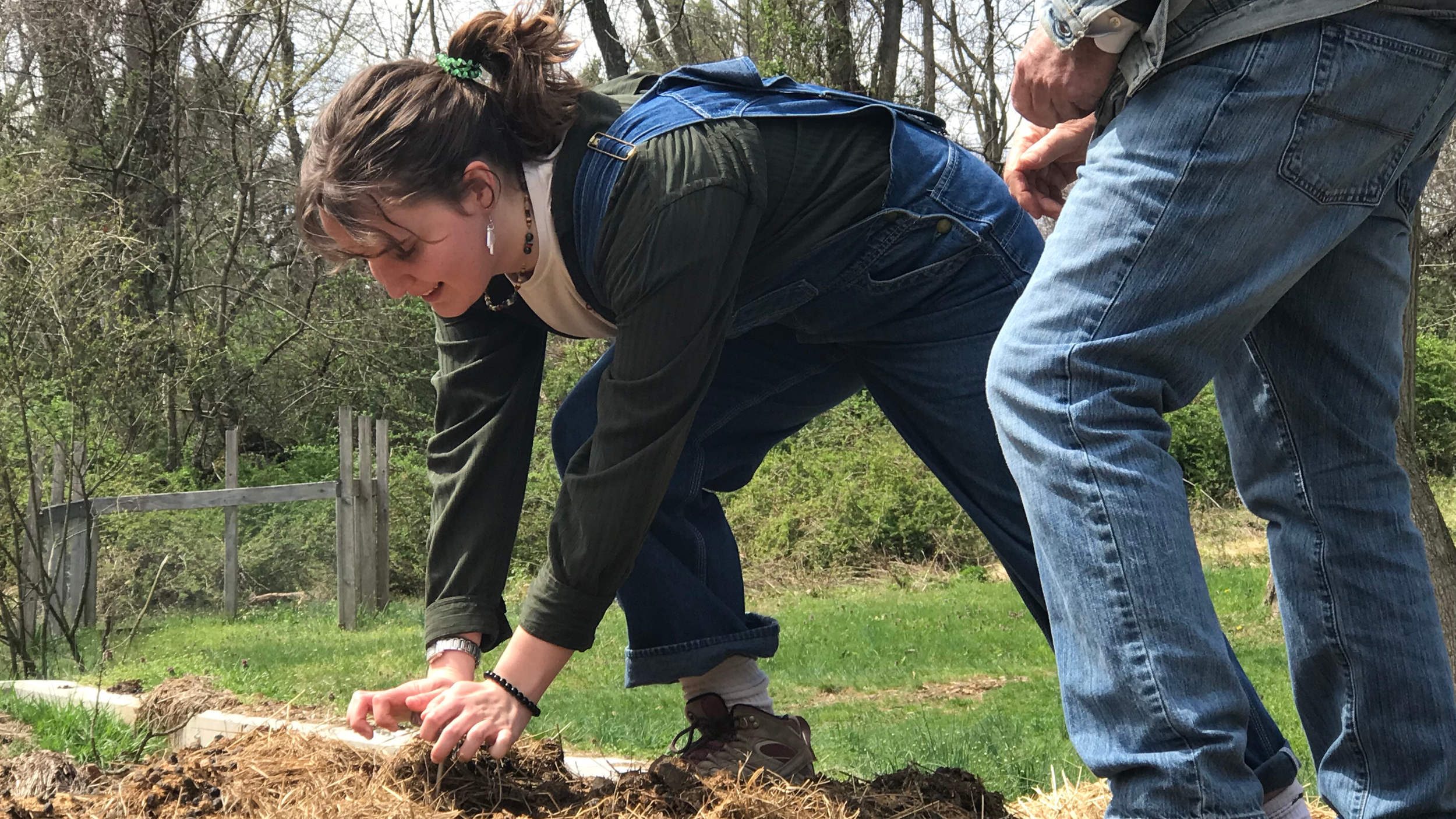
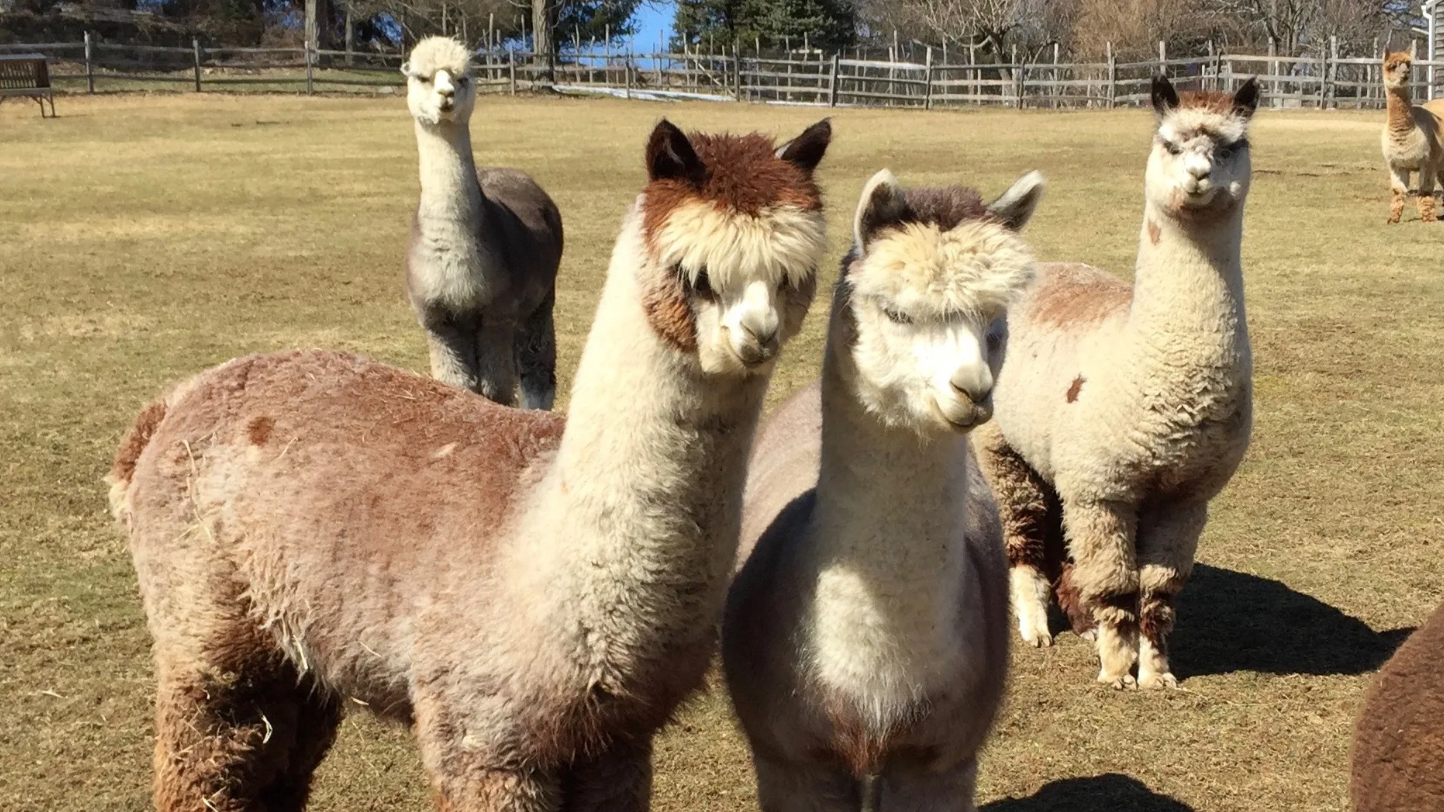
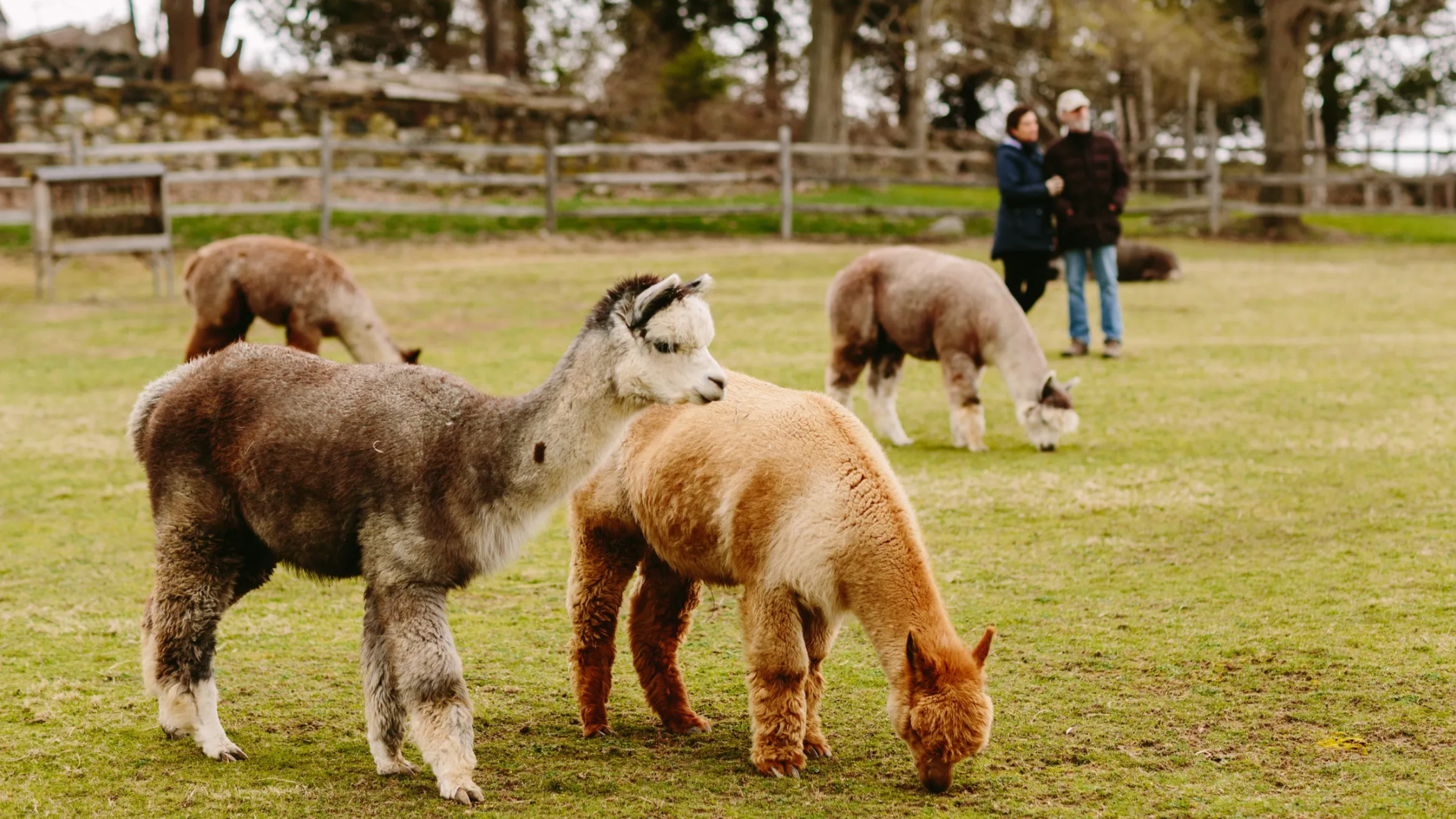
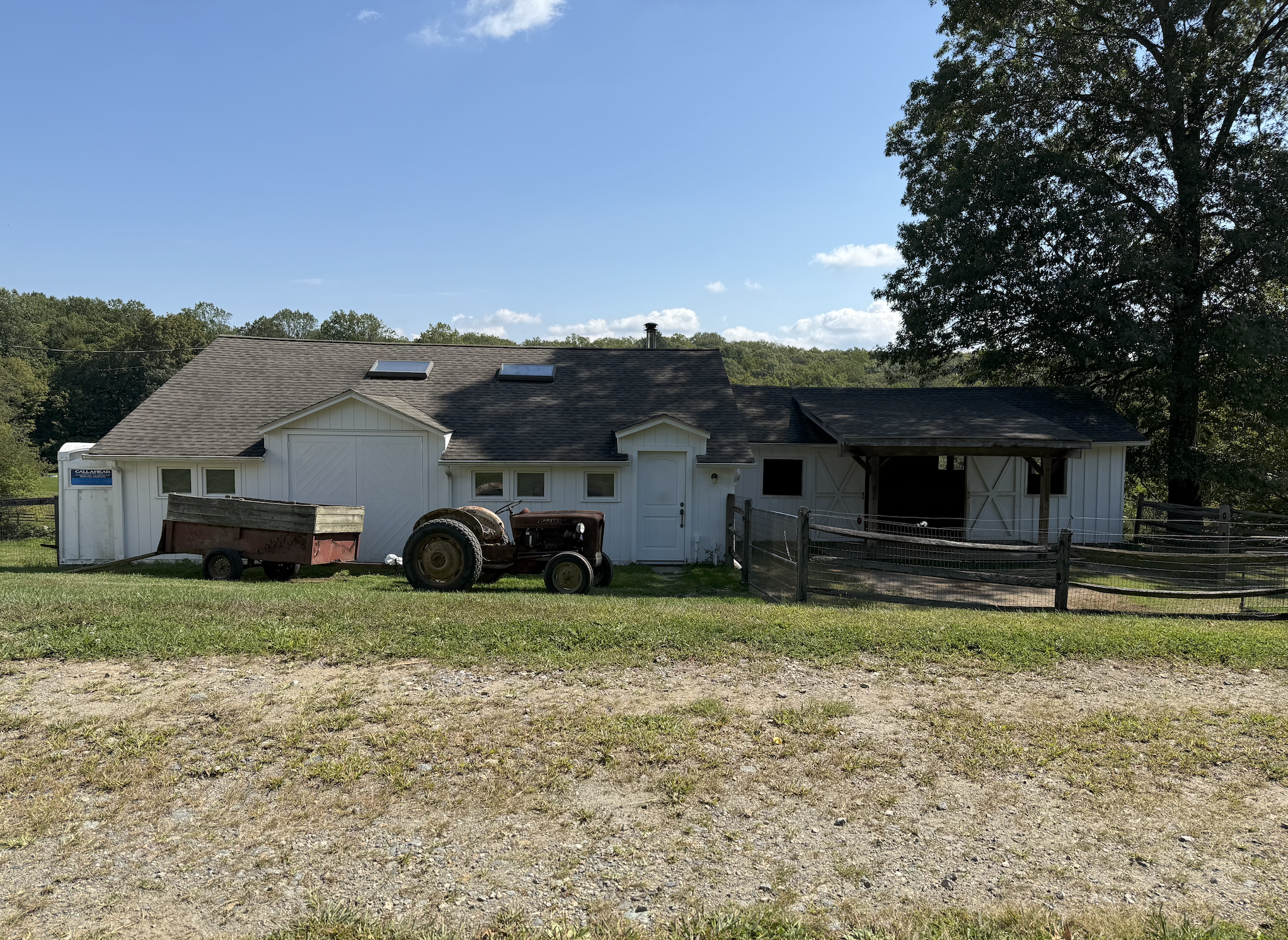
Leda and Steve are committed to keeping their property a sustainable working farm, caring for the land, their Huacaya alpacas, and Icelandic horses. It’s also home to an award-winning compost system and an on-site yarn shop.
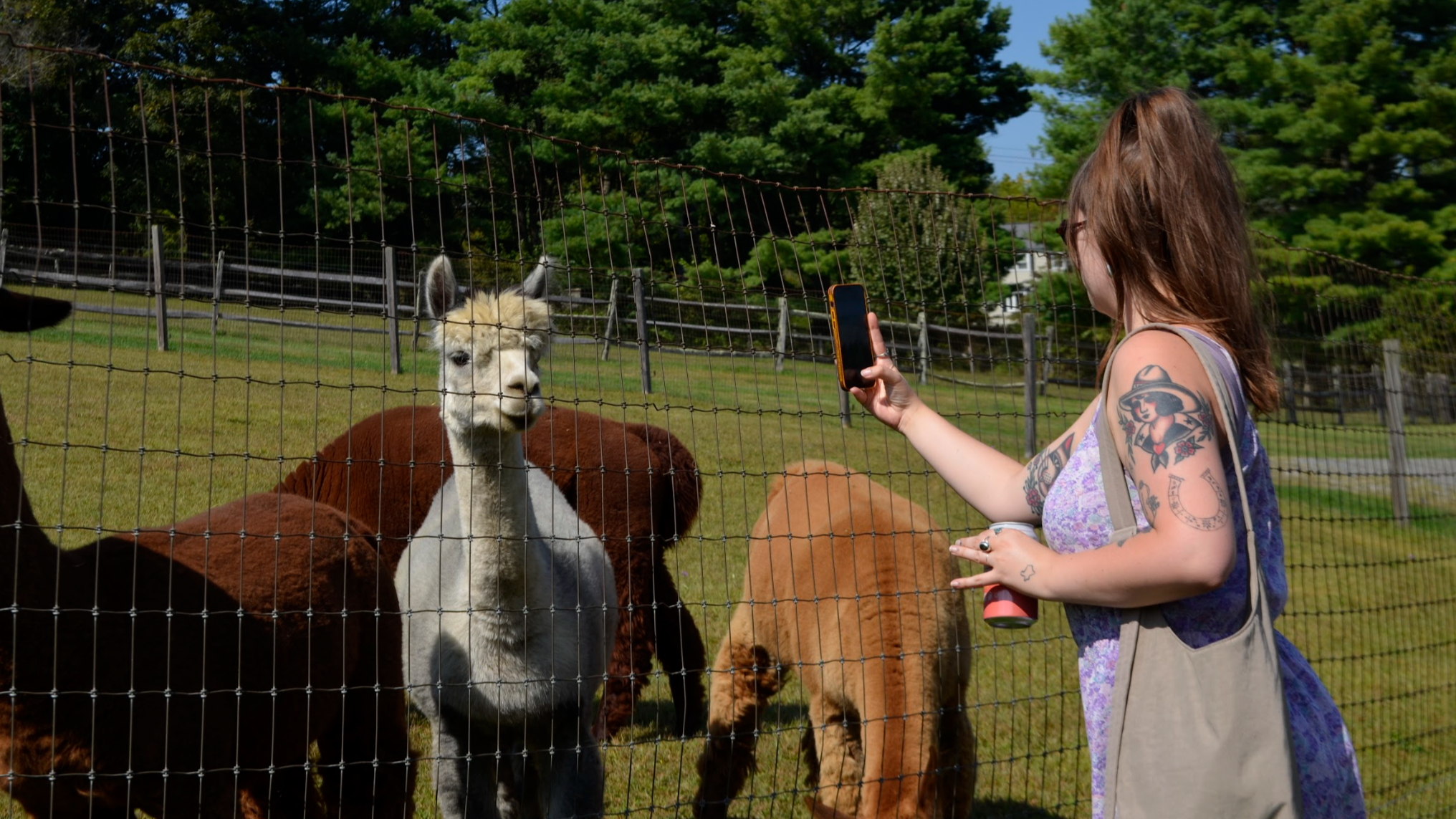
See their compost system and learn about soil amendment. Get up close to the alpacas, and learn about raising alpacas, their role in regenerative agriculture and the relationship between ecosystem health and fiber quality.
-
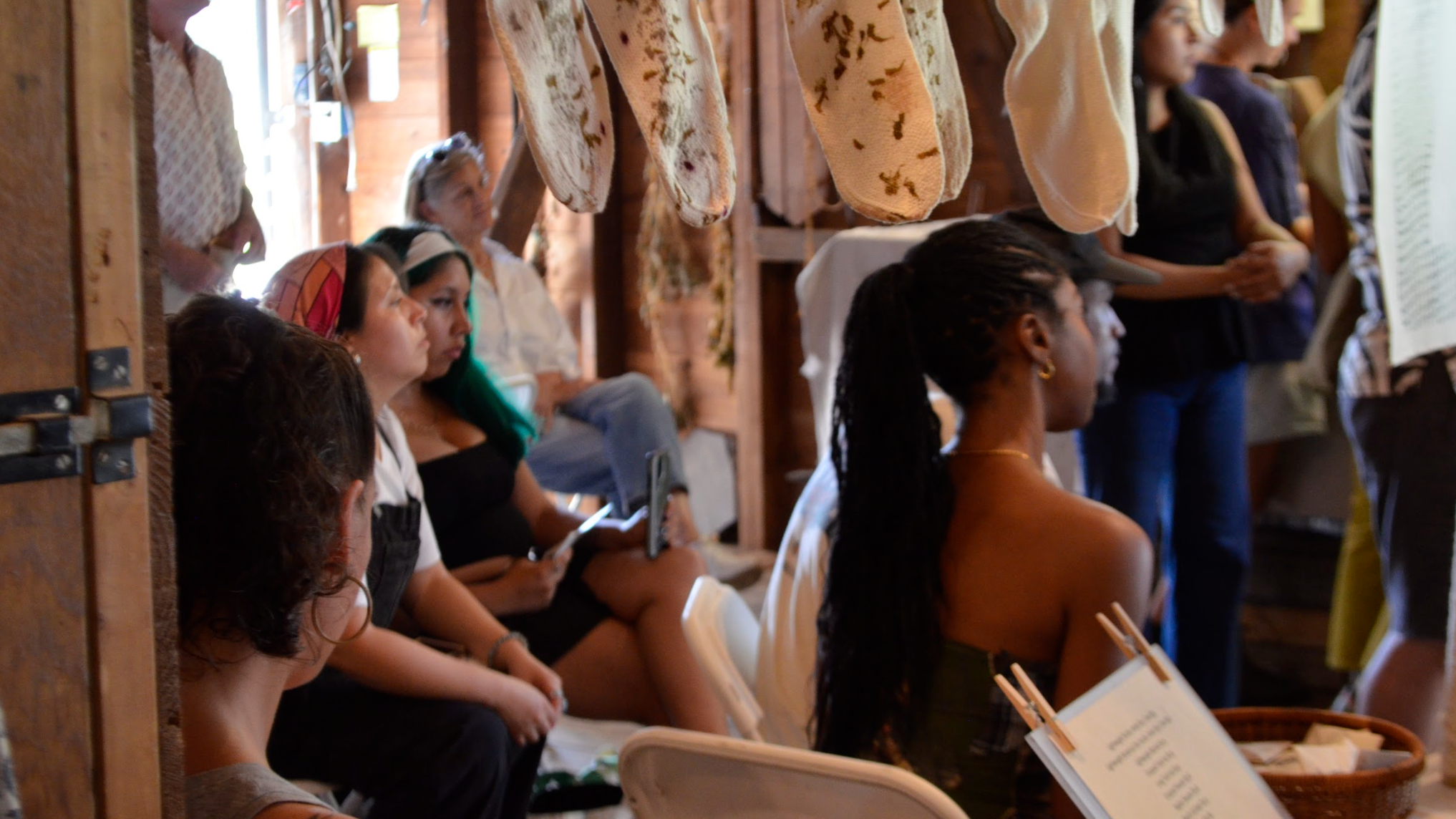
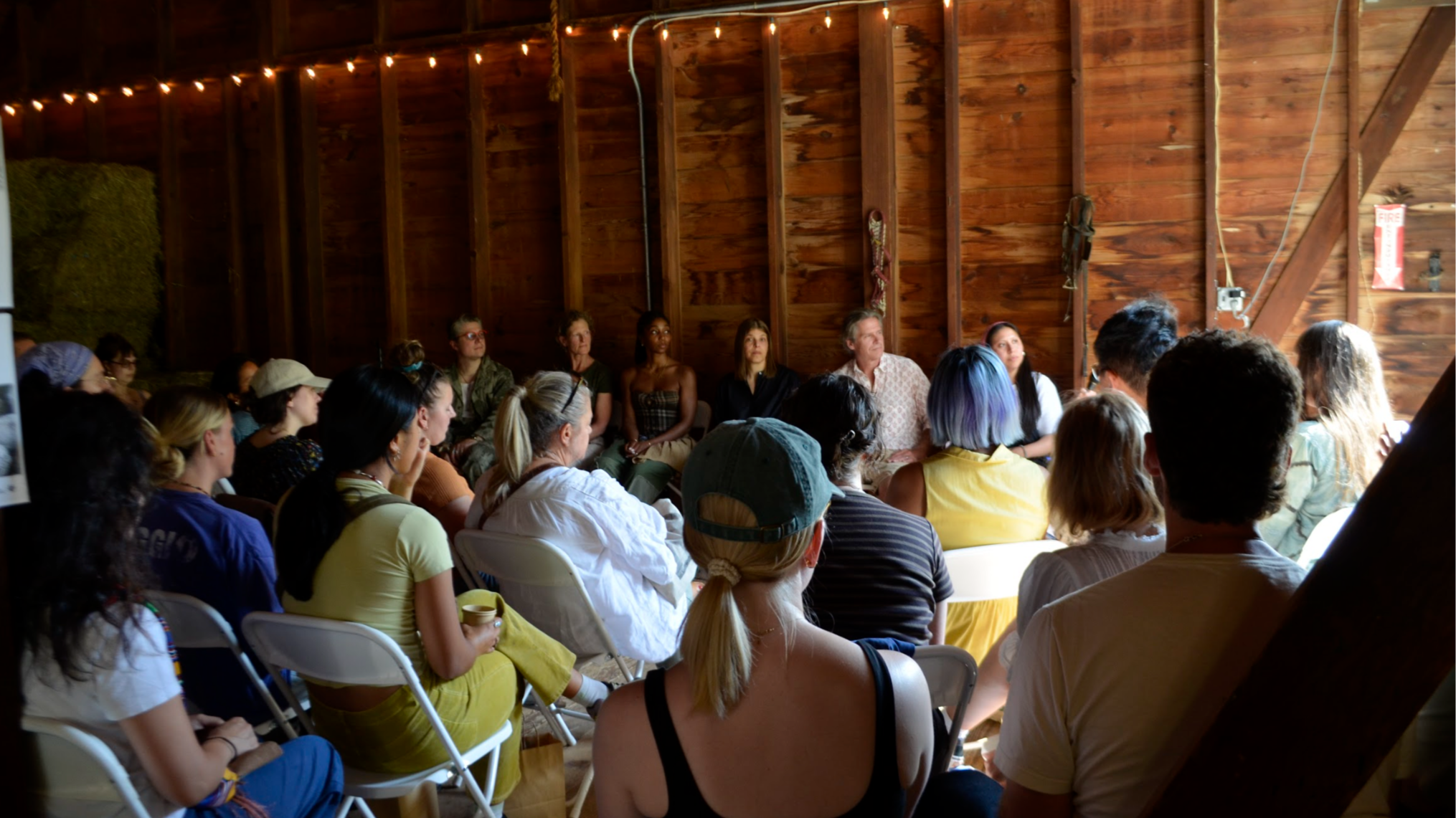
Connect with leaders from the agriculture, design, and manufacturing industries who are driving the shift toward regenerative, climate beneficial models in the regional textile sector.
Our expert panel includes:
Tameka Peoples, Founder & CEO of Seed2Shirt
Lewis Cleale, Owner of Nobletown Fiber Works
Melissa Conroy, Associate Professor at Cornell University
Heidi Barr, Founder of PA Flax Project
Susan Easton, Product & Marketing Director at New York Fashion Innovation Center (NYFIC), will speak on the state-wide program.
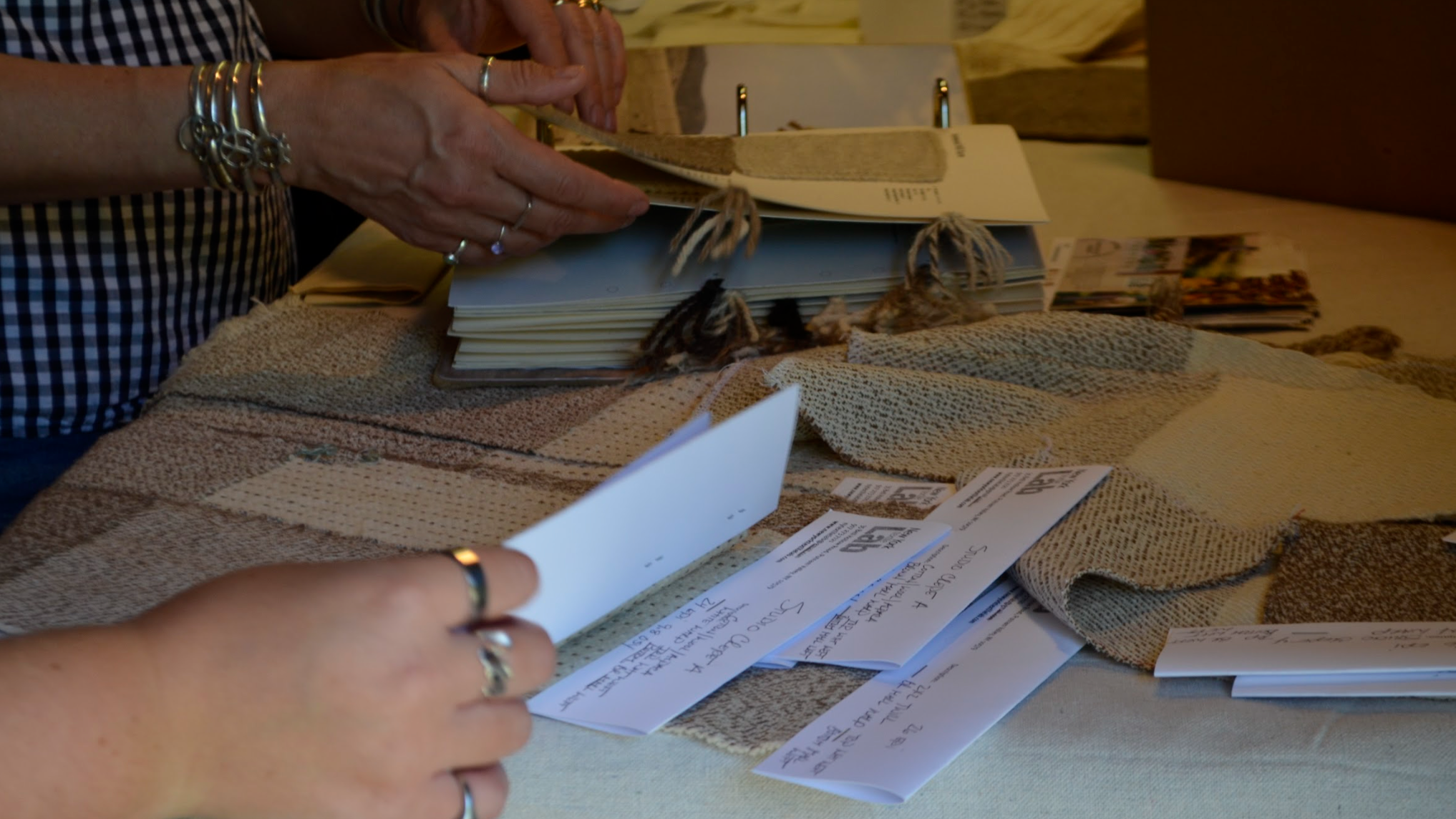
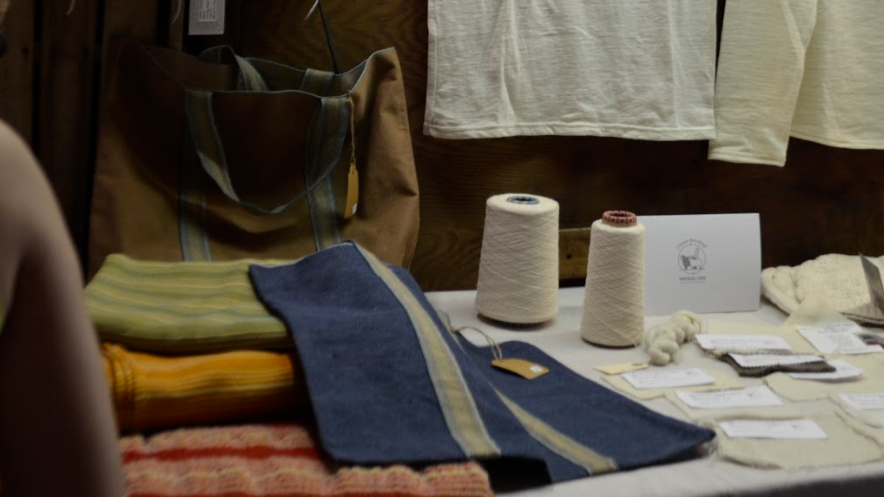
NYFIC grantees, Stephanie Seale Brown and Margot Becker, will display their handwoven textiles.
Clyde Carpenter, Lab Manager at Rensselaer Polytechnic Institute (RPI) will speak on and perform on-site micron fiber testing.
Ashlyn Kohler, our Carbon Farm Planner, will speak on conservation planning and implementing climate smart practices.
-
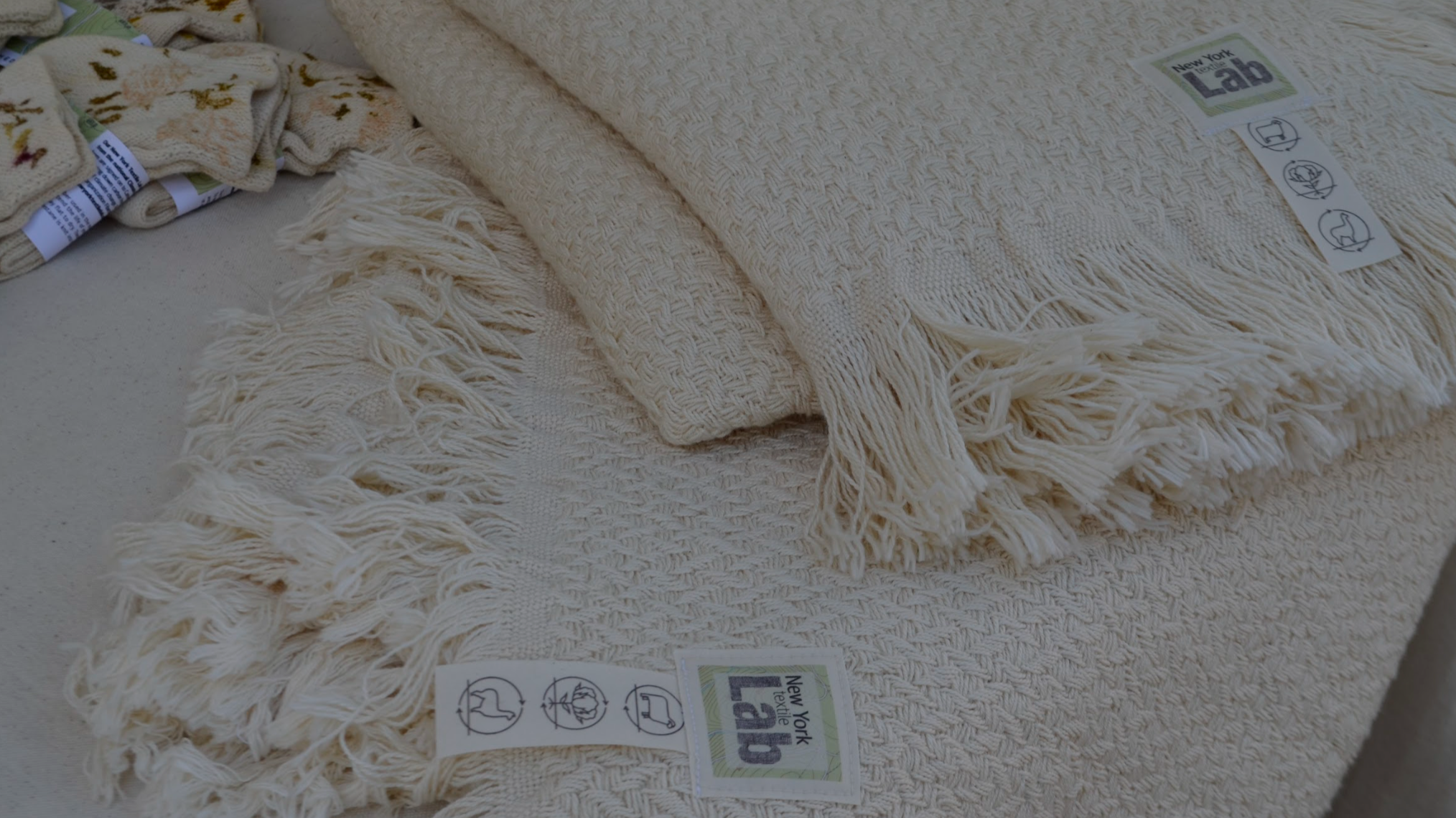
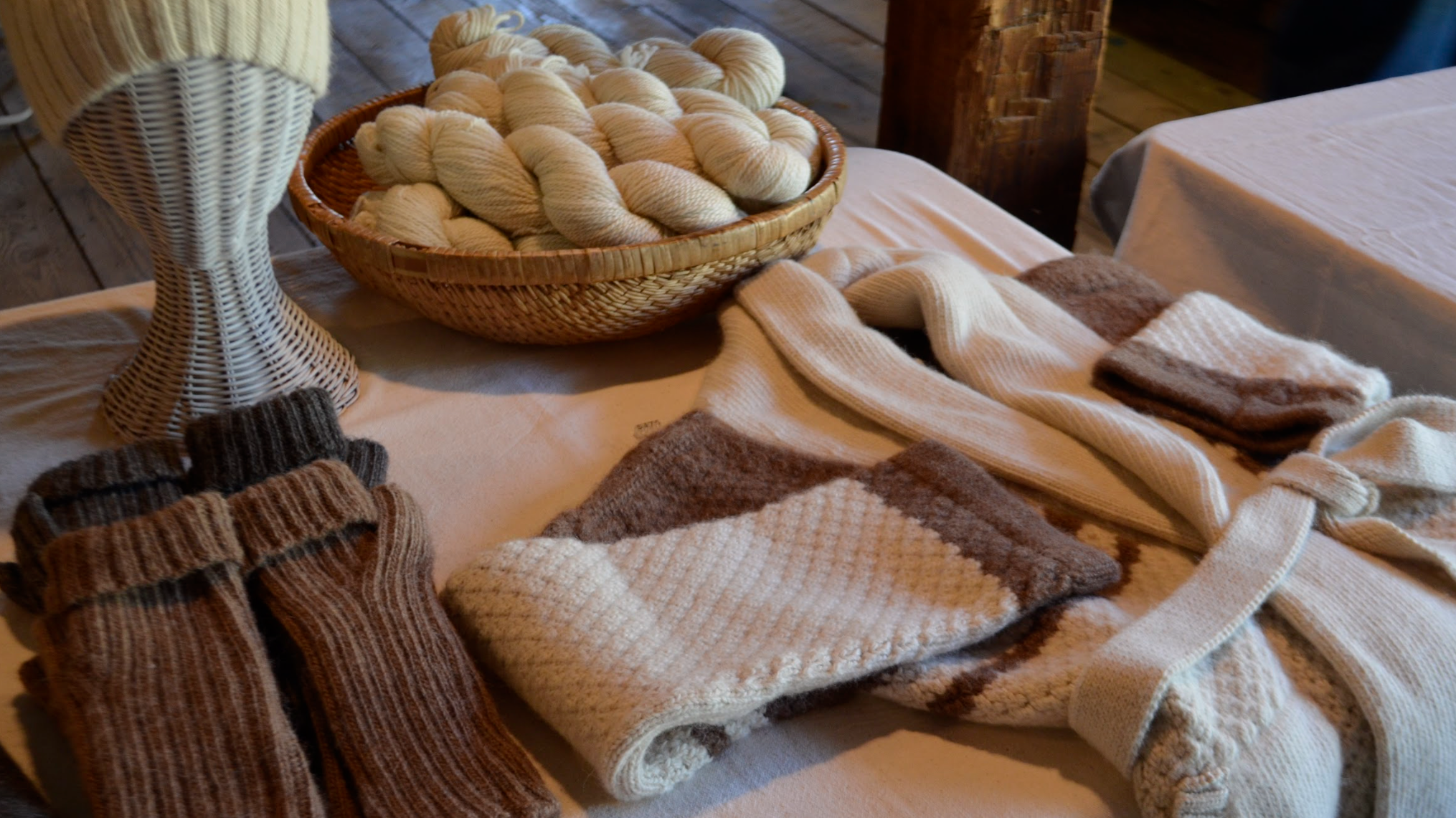
Learn about the Climate Beneficial™ Verified (CBV) program, discover how textiles can help the climate, and get a feel of the products on display.
-
Hear from New York Fibershed’s Carbon Farm Planner about holistic conservation planning protocols.
You’ll learn about regenerative land management practices designed to draw carbon from the atmosphere and store it in the soil.
-
Engage in a lively discussion with experts on topics such as:
Carbon sequestration practices on the farm
How farm management influences fiber quality
Regional fiber cultivation, processing, and manufacturing
Building a farm-to-product supply chain focused on slow growth and bio regionalism
Organizing cooperative economic models to uplift small businesses
Strategies for growing a socially and environmentally equitable textile industry.
-
During breaks, connect with fellow attendees, browse the on-site yarn shop, and enjoy light fare and refreshments.
About the Carbon Farm Tour
The Carbon Farm Tour, organized in partnership with New York Textile Lab & the Carbon Farm Network, is our yearly gathering to experience and explore regional carbon farming and its connection to healthy soils, regional fiber, and a thriving local textile economy. It brings together farmers, designers, makers, and community members to explore regenerative approaches shaping the future of textiles.
Through farm visits and conversations, participants learn about carbon farming practices such as rotational grazing and soil stewardship that support Climate Beneficial™ fiber production and healthier ecosystems. The tour also creates space for connection and collaboration across regional textile systems, highlighting the relationships between land, fiber, and finished goods.
During the experience, participants engage directly with conservation farming methods such as composting, rotational grazing, and soil health management. Conversations throughout the day focus on carbon farming principles, Climate Beneficial™️ fiber systems, and how designers, students, and consumers can support regenerative agriculture through their material choices and investments.